Her Story Free Videos Gallery What Creature Are You? Could You Survive? The Bestiary Message Holland Shop Wolf Pack
Holland Roden

Holland’s Field Guide

The Bestiary

A Field Guide to the Dark

Every legend started with a little truth. Know what’s out there — and what it’s really about.

↓ Enter

Every Monster Is a Story First.

Ask Holland why the monsters matter and she won’t talk about jump-scares — she’ll talk about what they mean. Every creature in this guide began as a story someone told in the dark to make sense of it: of death, of hunger, of the stranger at the edge of the village, of the things that happen that logic can’t explain.

That’s the secret the horror genre keeps. The monster is never really the monster. The vampire is our fear of desire and decay. The werewolf is the beast we’re afraid lives in us. The ghost is grief that won’t let go. The best legends survive centuries because they’re carrying something true underneath the fangs.

So this is a field guide — part folklore, part warning, all love letter to the dark. Eight creatures, where they come from, and what they’re really about. Read carefully. And if you want to know which one you are, the quiz is waiting at the end.

IHunters IIThe Dead IIIThe Other

Family One

The Hunters

The things that come for you — predators, cursers, and tempters with a taste for the living.

The Vampire — The Bloodthirsty

01

The Hunters

The Vampire

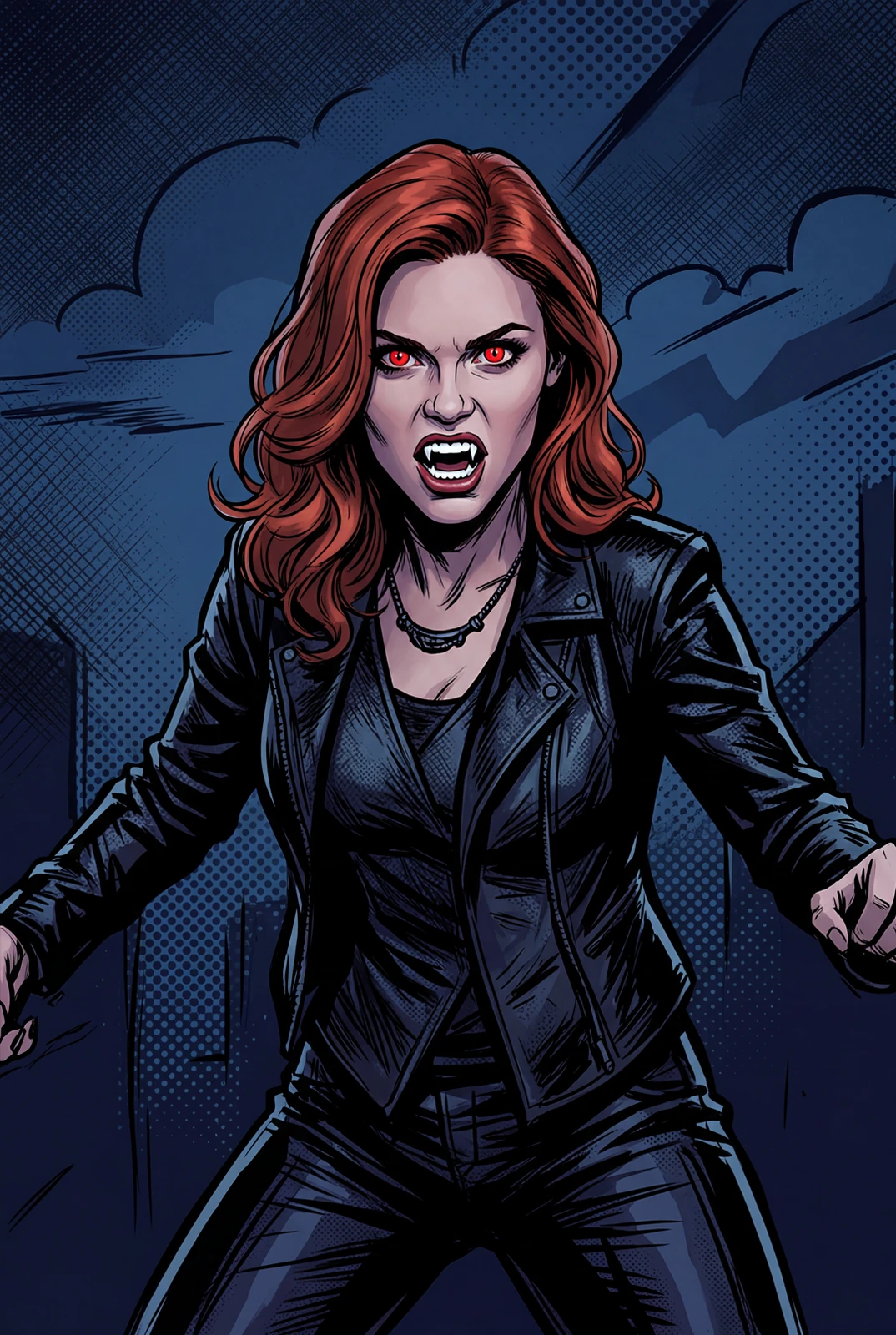
The vampire is the oldest hunger in the book. Long before the brooding aristocrat in the cape, Slavic and Eastern European villages feared the revenant — the restless dead who clawed back out of the grave to feed on the living, blamed for plague, for wasting sickness, for the unexplained deaths of whole families. They buried the suspected with bricks in their mouths and stakes through their chests, just to be sure.

What turned the corpse into the count was the 19th century — Polidori, then Stoker’s Dracula — who gave the monster what it carries now: elegance, seduction, eternal life as a curse. That’s the modern vampire’s real bite. It was never about the blood. It’s the trade: live forever, but only by feeding on everyone you love. Immortality as the loneliest sentence there is.

Field Note

To spot one — no reflection, no aging, an aversion to sunlight and to crossing an uninvited threshold. To survive one — never invite a stranger in. They can’t cross the line unless you let them.

The Werewolf — The Shapeshifter

02

The Hunters

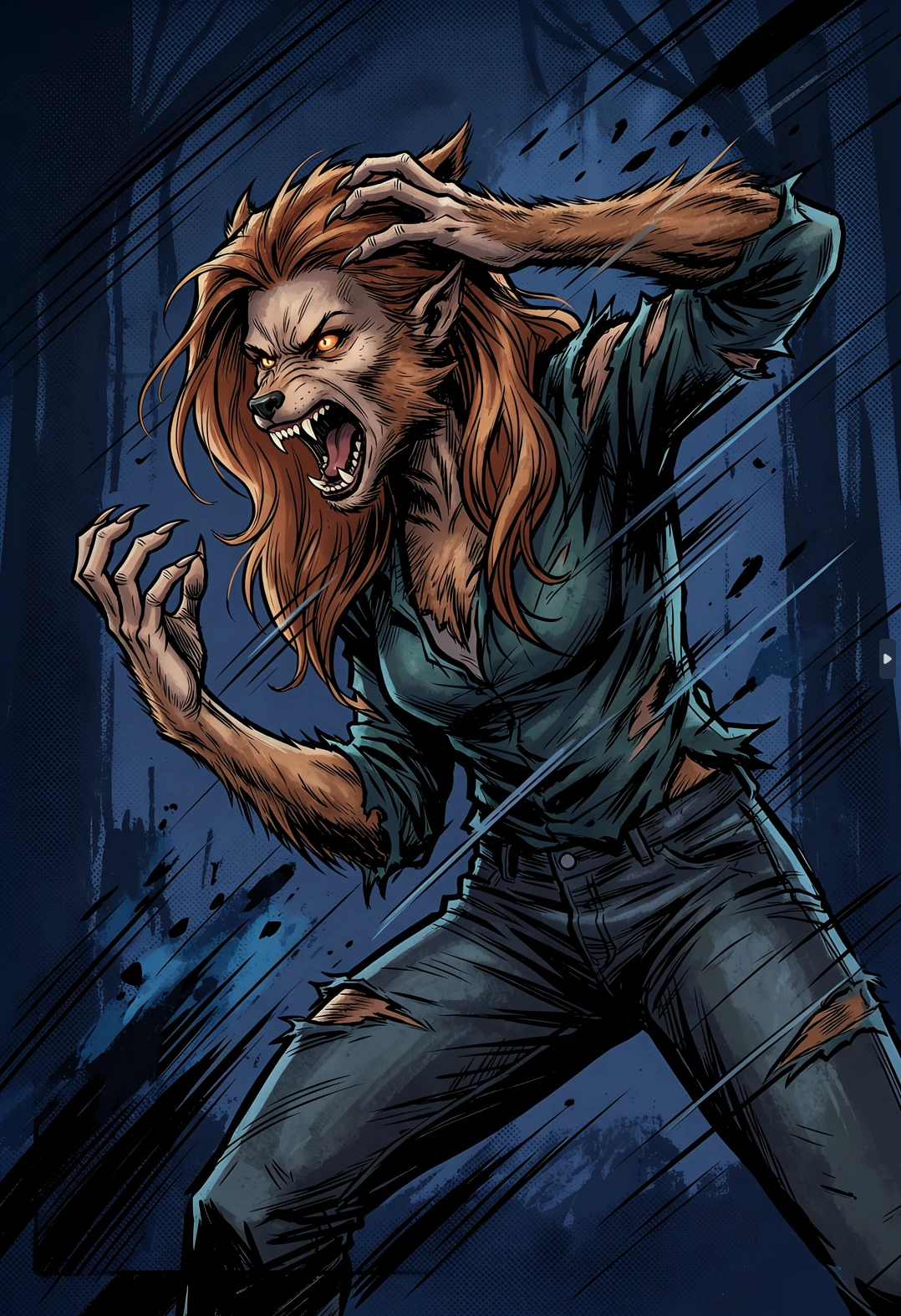
The Werewolf

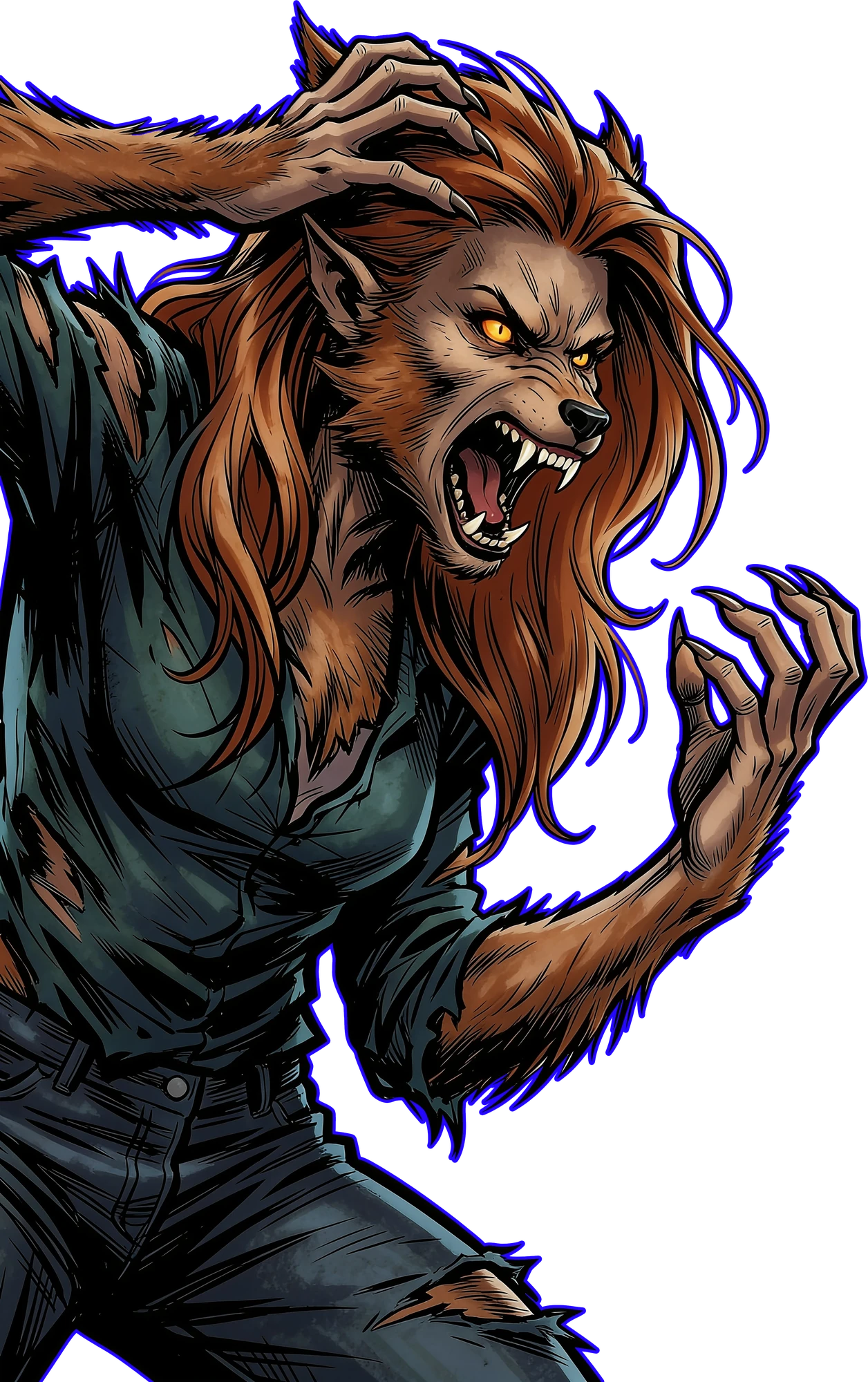
The werewolf is the beast we’re afraid is already inside us. The myth is ancient — the Greek king Lycaon, cursed by Zeus into a wolf for his cruelty, gives us the very word lycanthropy — and it appears in nearly every culture that ever had wolves and a moon. A person, ordinary by daylight, who loses themselves to something feral the moment the light goes right.

What makes the werewolf land isn’t the fur or the fangs. It’s the loss of control — the fear that there’s a version of us we don’t choose, that rage and hunger could take the wheel and we’d wake up not remembering what we did. The full moon is just the excuse. The beast was always there, waiting for a night dark enough.

Field Note

To spot one — a brow that meets in the middle, a ring finger longer than the index, a strange absence on full-moon nights. To survive one — silver, and distance. But the kinder truth: some of them are fighting the beast harder than you ever could.

The Witch — The Cursed

03

The Hunters

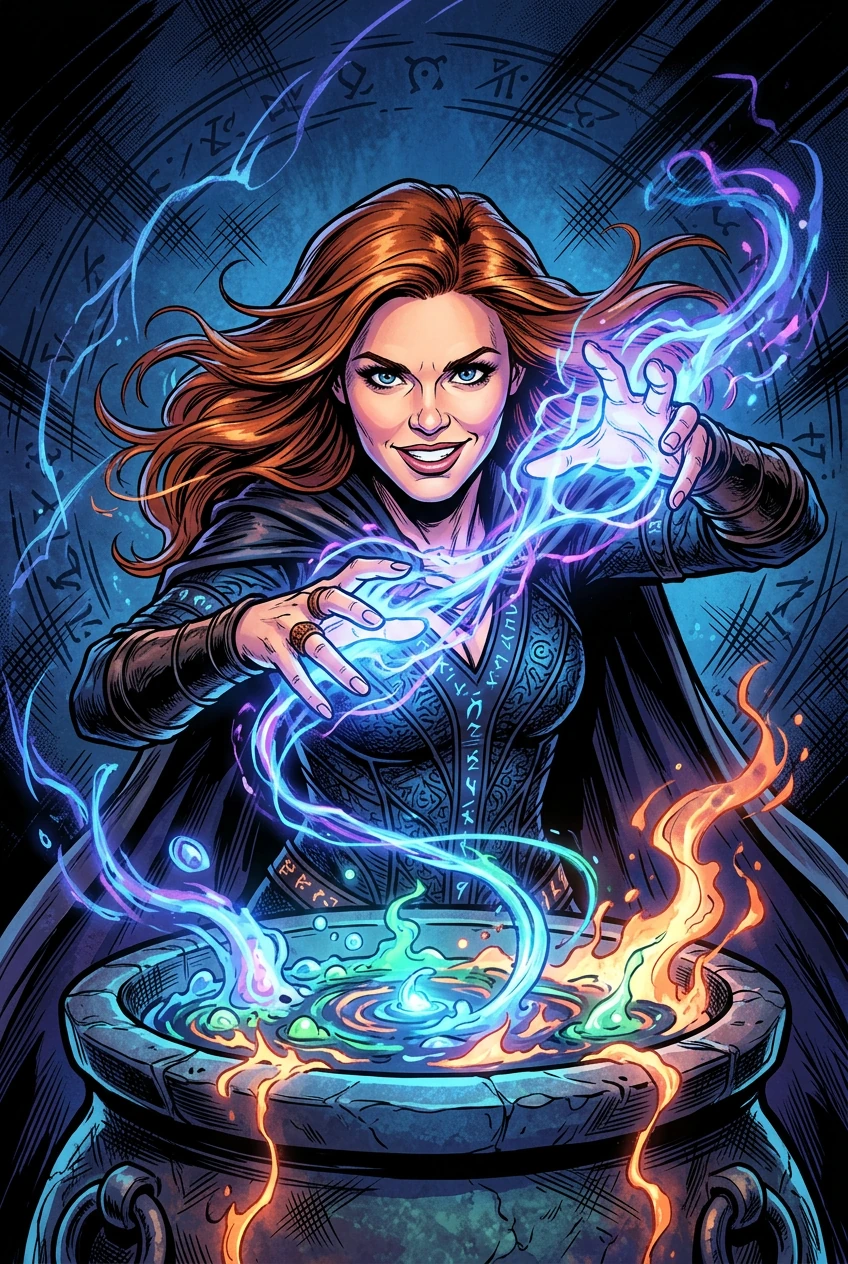
The Witch

The witch is the one the village turned on. Strip away the pointed hat and you find something older and sadder: the wise woman, the healer, the midwife — the one who knew which herbs cured and which killed. That knowledge made her powerful, and power in the wrong hands made her a target. Every culture has its cunning-folk; nearly every one eventually came to fear them.

The witch trials were never really about magic. They were about control — about what happens to women who know too much, want too much, or simply live too far outside the lines. That’s why the witch endures now as a hero as often as a villain: she’s the original outsider who refused to be made small, and the “curse” was always other people’s fear of her.

Field Note

To spot one — she knows things she shouldn’t, and she isn’t sorry. To survive one — don’t cross her. Better yet, don’t be the mob. History never remembers the mob kindly.

The Demon — The Tempter

04

The Hunters

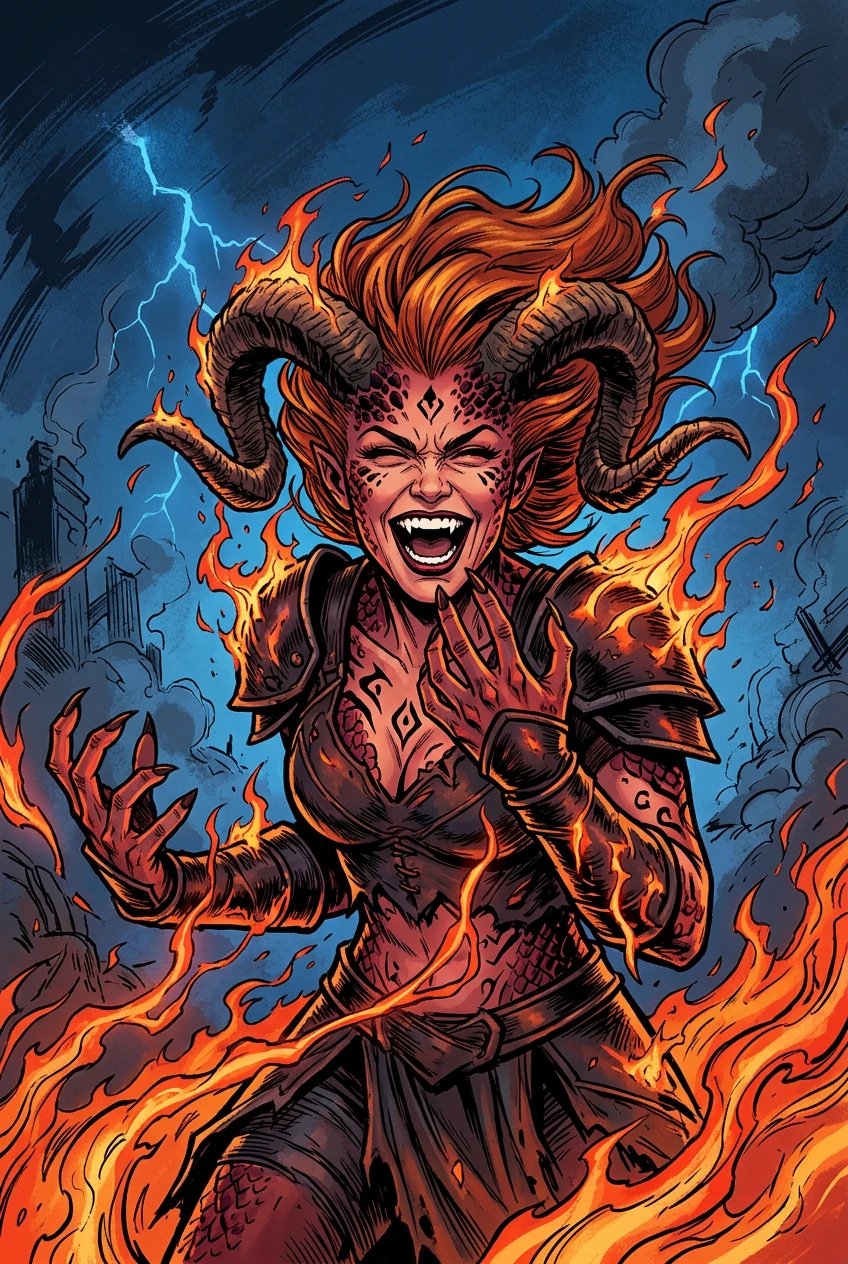
The Demon

The demon is temptation with a face. Born where religion meets dread, the demon isn’t a mindless beast — it’s the intelligent dark: the bargain you shouldn’t take, the voice that knows exactly what you want and exactly what it’ll cost. From the shedim of old scripture to the deal struck at the crossroads, the demon trades in a single currency: your willingness to say yes.

That’s what makes the demon the scariest monster on this list. It doesn’t break down the door — you open it. The horror was never possession or brimstone; it’s the slow realization that the worst thing in the room got in because some part of you invited it. The demon just holds up a mirror, and waits.

Field Note

To spot one — the offer is always too good, and the fine print is always your soul. To survive one — read the contract. And when something whispers that you deserve it, be very, very careful.

Family Two

The Restless Dead

The ones who didn’t stay buried — grief and hunger that outlived the grave.

The Ghost — The Lingering

05

The Restless Dead

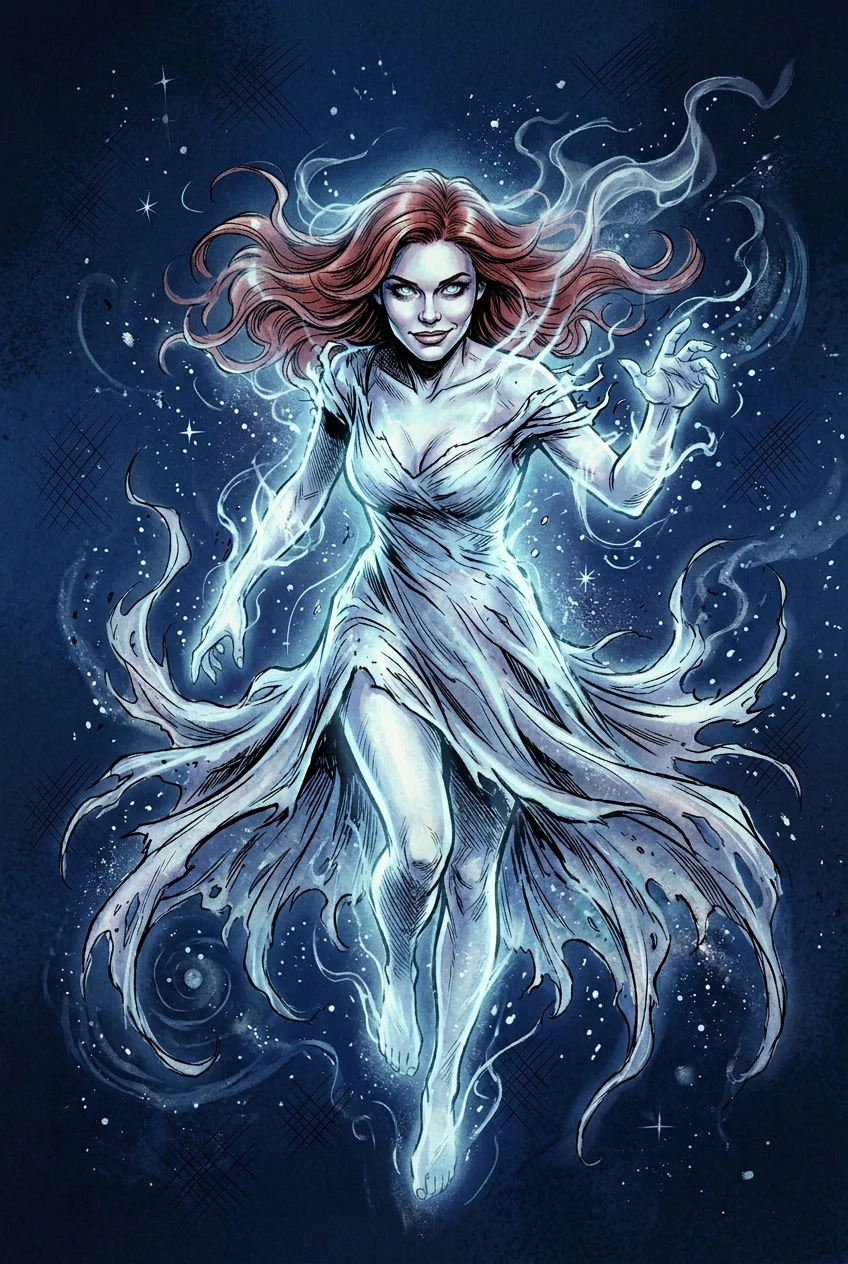
The Ghost

The ghost is the most universal monster there is — every culture on earth, across all of recorded history, has believed in some version of the dead who linger. The Romans left food for restless spirits; the Victorians held séances; nearly every old house keeps a story. The details change endlessly. The idea never does: some part of us doesn’t leave when the body does.

And the ghost is rarely about fear. It’s about unfinished business — the message never delivered, the wrong never righted, the love that outlasts the lifespan. A haunting is grief made architecture: the past refusing to be the past. That’s why ghost stories make us cry as often as they make us scream. The thing that lingers is usually just love that didn’t get to finish.

Field Note

To spot one — a cold spot, a flicker, the certainty of being watched in an empty room. To survive one — most don’t want to hurt you. They want to be heard. Sometimes the bravest thing is to ask what they’re still here for.

The Zombie — The Returned

06

The Restless Dead

The Zombie

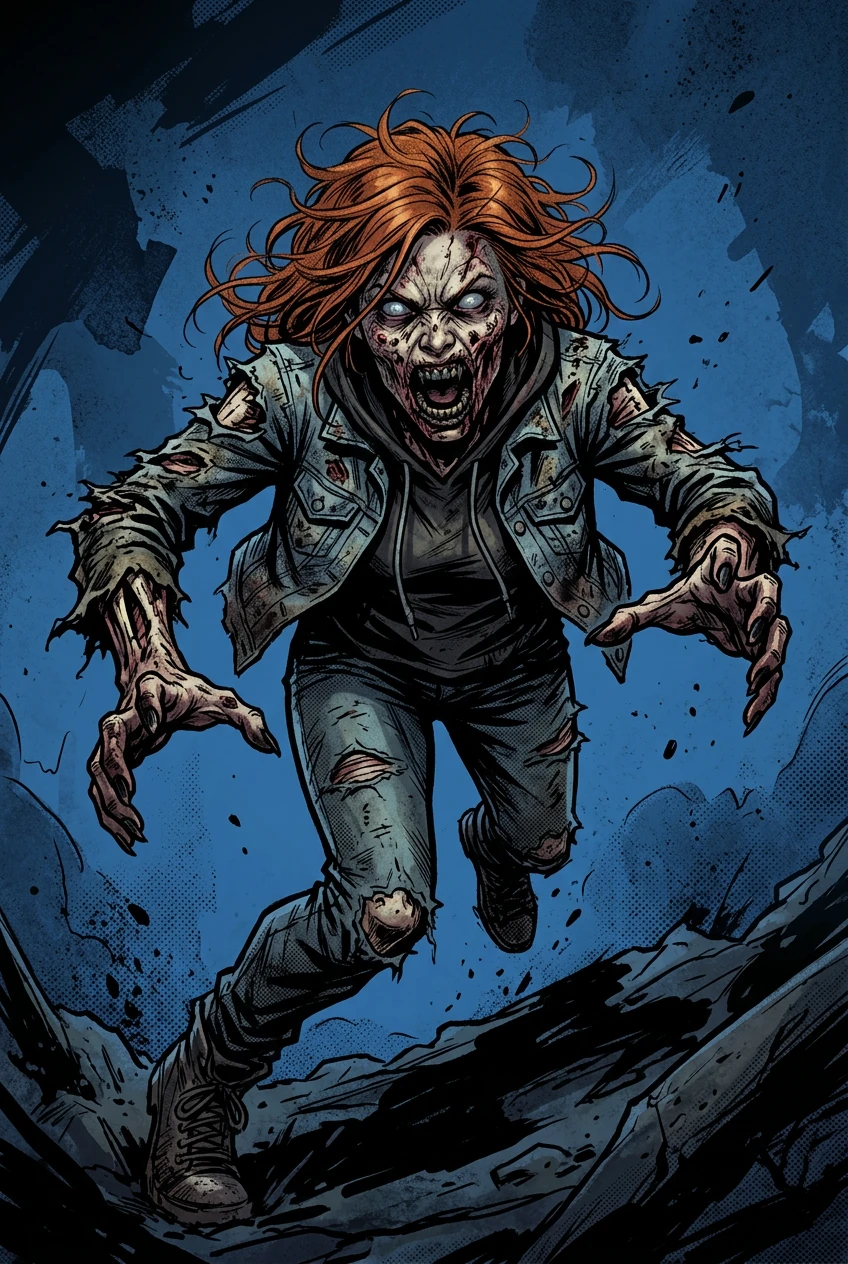
The zombie’s roots are realer and darker than the movies. The word comes from Haitian Vodou, where the zombi was a person robbed of their will and made to labor — a folklore born from the true horror of slavery, of a body taken and a self erased. The original zombie wasn’t a flesh-eater at all. It was a warning about losing your freedom.

Romero made it a plague, and the modern zombie became something else: the horde. Mindless, relentless, unstoppable — not because any one of them is strong, but because there are always more. The genius of the zombie is that the real monster is usually us: what the living do to each other once the rules come off. The dead just keep walking. The people are the story.

Field Note

To spot one — the shuffle, the hunger, the eyes with nobody home. To survive one — cardio, quiet, and don’t get bitten. But keep one eye on the living. They’ll get you first.

Family Three

The Heralds & the Other

The omens and the outsiders — the ones who don’t hunt you, but change everything.

The Banshee — The Omen

07

The Heralds & the Other

The Banshee

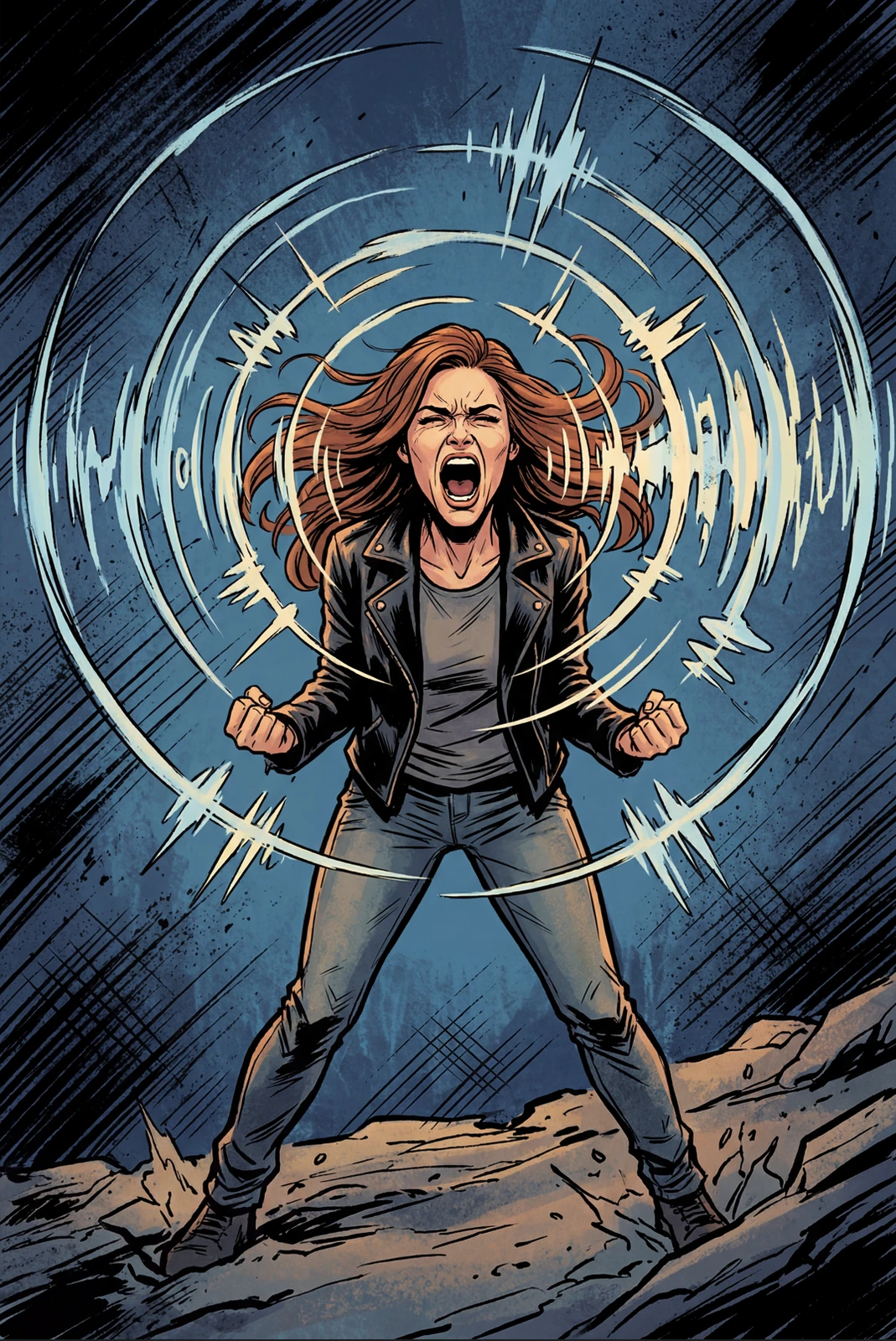
The banshee doesn’t kill you. She tells you it’s coming. From Irish and Celtic folklore, the bean sí — “woman of the fae mound” — is a spirit whose keening wail foretells a death in the family. She isn’t the cause of the grief; she’s the herald of it, the sound the old stories say you hear on the wind the night before sorrow arrives.

And here’s what most people miss about her — the thing Holland understood playing Lydia: the banshee’s gift is also her curse. To know what’s coming and be powerless to stop it, to feel a loss before anyone else even senses it — that’s not a weapon, it’s a weight. She’s the one who hears the dead, carries the warning nobody wants, and is feared for telling a truth that was never hers to change.

Field Note

To spot one — a wail with no source, on a night that suddenly feels wrong. To survive one — you can’t outrun what she announces, but listen anyway. A warning is still a kind of mercy.

The Alien — The Visitor

08

The Heralds & the Other

The Alien

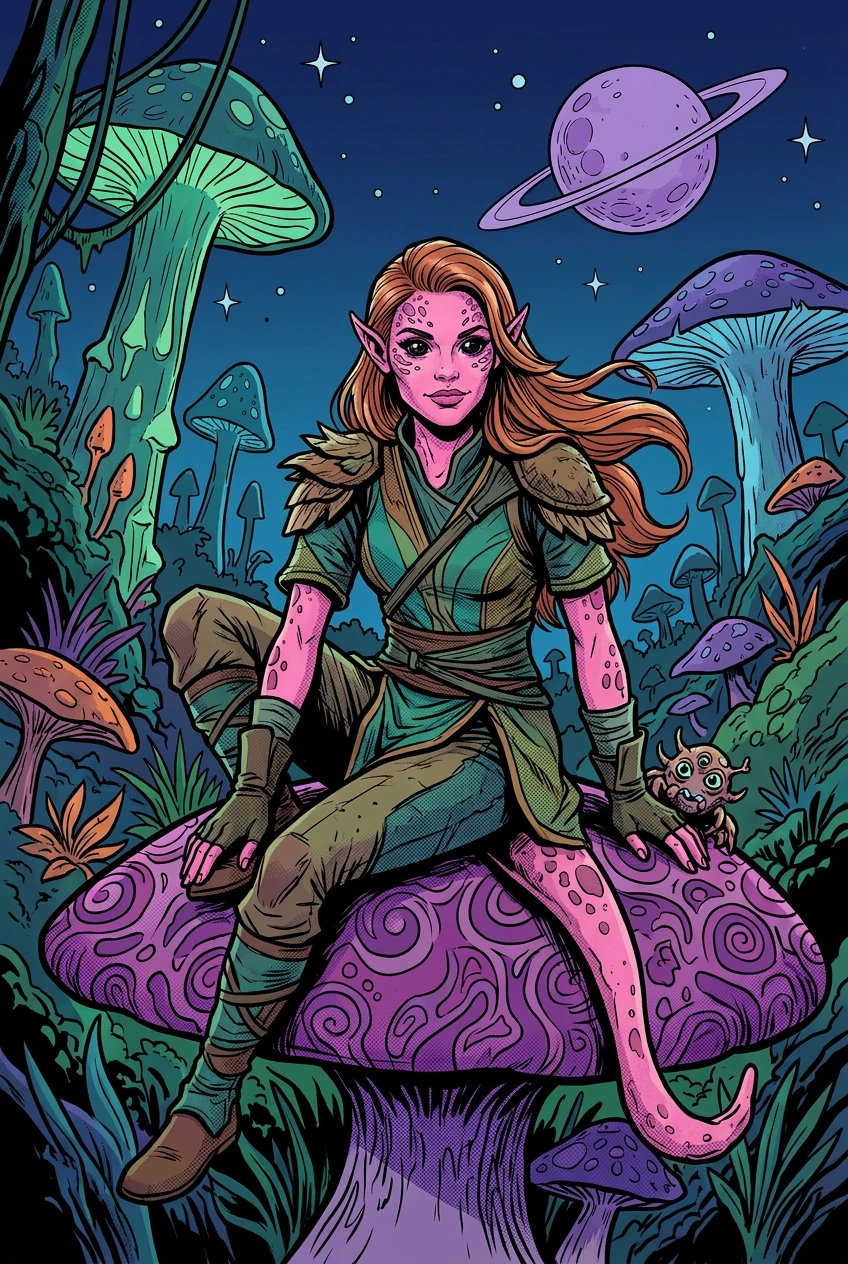
The alien is humanity’s newest myth, and maybe its oldest fear wearing a new face: the stranger from outside, the intelligence we can’t predict or understand. Where older cultures filled the unknown with gods and fae, the modern age fills the sky — the watchers, the visitors, the lights that don’t behave. Same instinct, new frontier. We have always populated the dark beyond the firelight with something.

What sets the alien apart from every other creature here is that it might be the one that’s real. That’s the question Holland keeps circling — not little green men, but the simple, vertiginous fact that the universe is unimaginably large, and certainty in either direction is its own kind of arrogance. The alien is the monster that asks: what if we’re not the apex? What if we’re the ones being studied?

Field Note

To spot one — missing time, impossible lights, the feeling the sky is paying attention. To survive one — stay curious, stay humble. The universe is far too big for us to be the scariest thing in it.

The Fae — The Fair Folk

09

The Heralds & the Other

The Fae

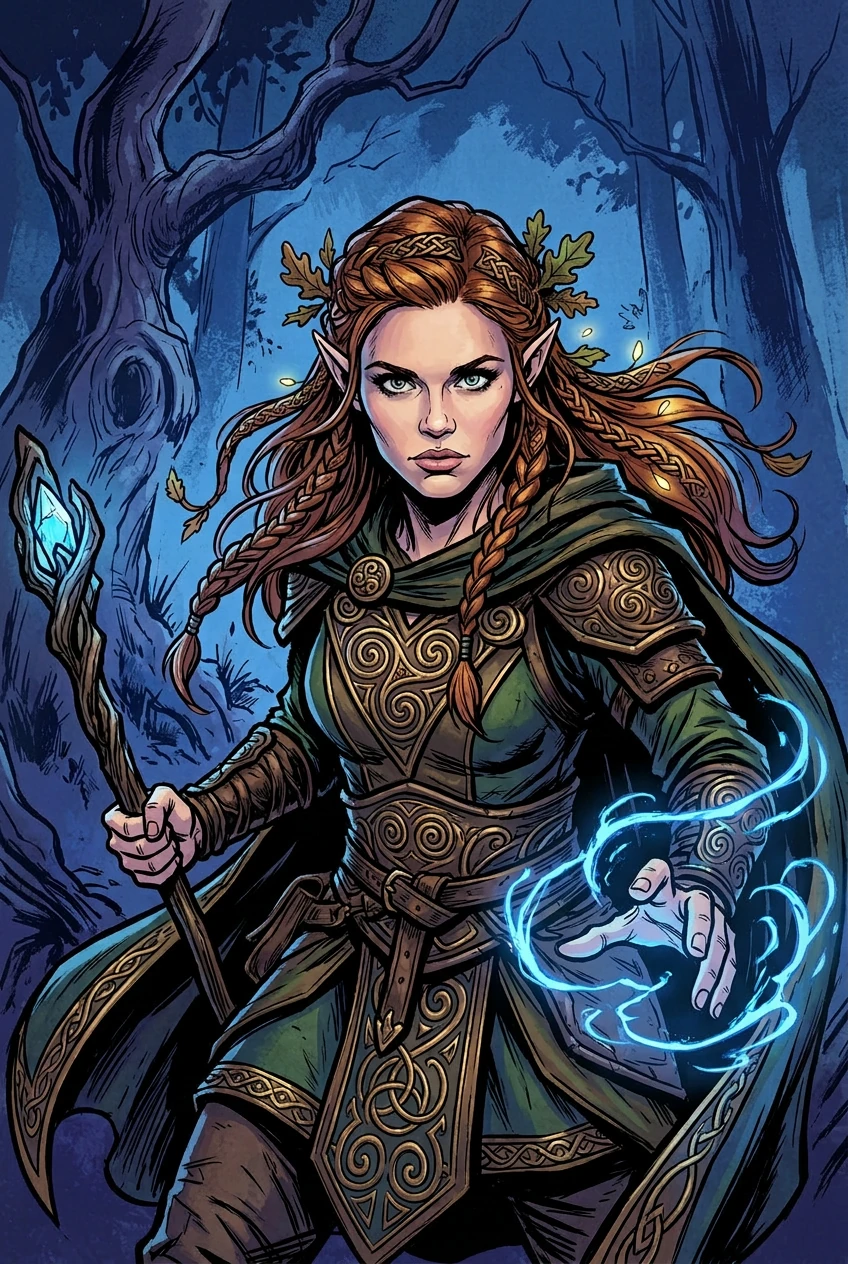
Forget the gossamer wings and the pixie dust — the real fae are one of the oldest and most dangerous things in all of folklore. Before the storybooks softened them, the fae of Celtic and British myth were the Good Folk, the Fair Folk, the People of the Mounds — and you called them ‘good’ and ‘fair’ precisely because you did not dare insult them. They were beautiful, ageless, and utterly without human conscience: a separate people living just beneath the hills and just behind the veil, bound by rules far older and stranger than ours.

What makes the fae genuinely frightening is the bargain. They steal children from the cradle and leave changelings behind; they lure a traveler into a dance that feels like one night and lasts a hundred years; they offer gifts that curdle into curses, and food that traps you in their world forever. That’s the part Holland loves — the fae isn’t evil, exactly, it’s other, running on a logic that was never built to be kind to us. The scariest monster was never the one that hates you. It’s the one that simply doesn’t see you as a person at all.

Field Note

To meet one — a ring of mushrooms, music with no source, a stranger far too lovely and far too interested in you. To survive one — accept no food, strike no bargains, and never, ever say thank you. Carry iron, keep your true name to yourself, and remember: nothing the Fair Folk give you is ever truly free.
Holland Roden

The Monster Was Never the Monster.

Read them all back and the pattern shows itself: every creature in this guide is a feeling we couldn’t carry, given a shape so we could finally look at it. The vampire is desire and decay. The werewolf is the rage we don’t choose. The ghost is grief, the zombie is losing ourselves, the banshee is knowing, the demon is temptation, the witch is the fear of a woman who knows too much, the fae is the bargain we should never have struck, the alien is the edge of what we understand. We didn’t invent monsters to scare ourselves. We invented them to survive being human.

That’s why Holland loves this stuff — not for the scares, but for the honesty. Horror is the one genre that refuses to pretend the dark isn’t there. It looks straight at the things that frighten us, gives them a name, and somehow the naming makes them a little easier to live beside. The monsters have always been us, telling the truth in costume.

So light a candle, lock the door, and keep asking the questions the daylight won’t. The dark has stories to tell — if you’re brave enough to listen.

So — What Creature Are You?

You’ve read the lore. Now find out which one you are. Take the quiz and meet your monster — vampire, werewolf, banshee, ghost, alien, or zombie.

← Holland’s Hub